English

Views: 0 Author: Site Editor Publish Time: 2026-09-29 Origin: Site


For industrial facility managers, engineers, and procurement teams, specifying structural steel is a high-stakes commercial and technical decision. Every beam, column, and connection plays a critical role in the facility's long-term viability. A single misstep in material selection can jeopardize the entire project timeline.
Incorrect specifications lead to compliance failures, cost overruns, and delayed facility commissioning. Relying solely on a fabricator’s default recommendations can result in severe consequences. You risk either over-engineering, which wastes your budget, or under-engineering, which seriously compromises site safety. Facility managers need a reliable method to evaluate these crucial materials before signing purchase orders.
This article provides a verifiable, decision-stage framework to evaluate, categorize, and specify elements for industrial projects. You will learn how to navigate material grades, assess environmental durability, and evaluate potential fabrication partners. We will help you mitigate procurement risks and ensure operational integrity from day one.
Specifying the main steel structure requires aligning material yield strengths with precise dead, live, and dynamic load calculations (e.g., heavy machinery or cranes).
Evaluating secondary components and connections based on environmental exposure (e.g., galvanization for corrosive environments) prevents premature lifecycle degradation.
Shortlisting fabrication partners should depend on verifiable quality assurance (QA) protocols, transparent supply chain lead times, and certified detailing capabilities, not just upfront cost.
Defining solution categories helps you establish a strict baseline for technical requirements. Procurement teams must understand these classifications to request accurate bids. This clarity prevents vendors from quoting inadequate materials.
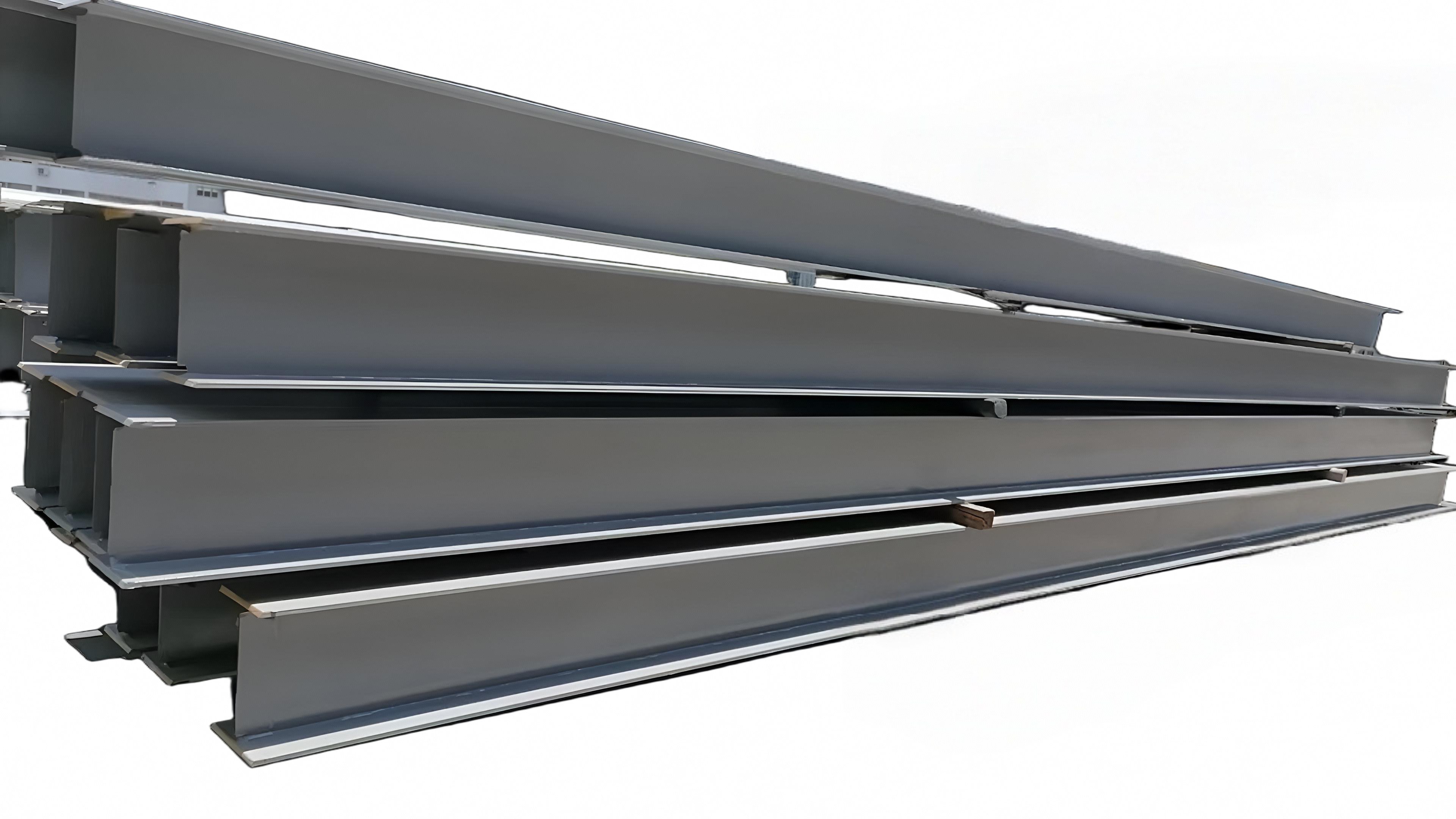
The primary framing acts as the load-bearing skeleton of your building. It transfers the entire structural weight safely down to the foundation. Without a properly specified main steel structure, industrial facilities cannot support heavy operations.
Core parts include rigid frames, heavy columns, rafters, and crane runway beams. Each piece handles immense stress. Engineers must carefully calculate the required mass and geometry for these elements.
Your decision lens must focus on material grade selection. For instance, you must choose between ASTM A992 and A36 steel. This choice must align with the building's clear-span requirements. Heavy dynamic loads from overhead cranes demand higher yield strengths. A common mistake is using standard A36 steel for heavy crane runways. This often leads to structural fatigue and costly reinforcements later.
Secondary framing distributes localized loads to the primary framing. It also provides the necessary support for the building envelope. These systems bridge the gap between the exterior cladding and the massive primary columns.
The core parts include Z-purlins, C-girts, eave struts, and wind or seismic bracing elements. They keep the structure rigid during extreme weather events. They also serve as the attachment points for wall and roof panels.
When designing steel structure buildings, you must evaluate span distances carefully. Opting for cold-formed versus hot-rolled secondary components depends on these spans. Local wind uplift codes also dictate this choice. Cold-formed steel offers excellent weight-to-strength ratios for standard spans. However, high-wind regions often require the robust nature of hot-rolled profiles.
Connections and enclosures transform a bare frame into a functional, weatherproof facility. They provide essential structural rigidity. They also protect interior operations from the outside elements.
Core parts include high-strength structural bolts, base plates, gusset plates, and insulated metal panels (IMPs). You will commonly specify A325 or A490 bolts. Insulated metal panels offer superior thermal efficiency for climate-controlled facilities.
Your decision lens here focuses heavily on vibration risks. Industrial equipment generates constant dynamic stress. Therefore, specifying slip-critical connections over bearing-type connections is vital. Slip-critical joints prevent bolts from loosening over time. Specifying high-quality Steel Structure Components at the connection level guarantees long-term stability.
You must apply strict technical and commercial criteria to finalize your specifications. Translating material features into operational outcomes ensures a safe, efficient facility. Let us explore the critical evaluation dimensions.
The primary feature to evaluate is component thickness. You must also scrutinize web and flange dimensions. These geometric properties directly determine how much weight a beam can safely carry.
This ensures structural integrity against combined load types. Dead loads represent the weight of the structure itself. Live loads account for temporary weights, like snow on the roof or maintenance crews. Dynamic forces include the movement of bridge cranes and potential seismic activity. Failing to account for dynamic forces can lead to catastrophic buckling.
Best Practice: Always request a separate dynamic load analysis if your facility will house vibrating heavy machinery. Standard static load calculations are insufficient for industrial manufacturing environments.
Surface treatment dictates how long your steel will last before rusting. Standard options include hot-dip galvanization, epoxy primers, and intumescent fireproofing. The right coating acts as a shield against environmental aggression.
This feature dictates your future maintenance intervals. Highly corrosive industrial processes, like chemical manufacturing, demand maximum protection. These environments require higher-micron galvanization over standard shop primers. Applying a basic red oxide primer in a coastal or chemical setting guarantees rapid corrosion.
Treatment Type | Best Application Environment | Durability Level | Maintenance Need |
|---|---|---|---|
Standard Shop Primer | Dry, climate-controlled interiors | Low | High (if exposed) |
Epoxy Paint Systems | Moderate humidity, standard industrial | Medium to High | Moderate |
Hot-Dip Galvanization | Chemical plants, coastal areas | Maximum | Very Low |
Intumescent Coating | High fire-risk manufacturing zones | Specialized (Fire) | Moderate |
Material traceability proves that you received what you ordered. You must demand Mill Test Reports (MTRs) for every batch of steel. Furthermore, materials must comply with regional standards like AISC or Eurocode 3.
This outcome guarantees material authenticity. Counterfeit or substandard steel poses a massive liability risk. Traceability is crucial for insurance underwriting. You also need these documents to pass strict municipal safety inspections. If an inspector questions a structural column, an MTR immediately validates its yield strength.
Industrial construction projects often fall victim to predictable supply chain realities. Experience shows that both engineering and procurement teams make common errors. Recognizing these traps early saves months of delays.
Engineers sometimes specify ultra-high-grade steel where it is not structurally required. This over-specifying aggressively bloats initial budgets. Conversely, under-specifying leads to catastrophic operational limits. For example, a weak roof structure might prevent you from adding solar panels later. Weak columns might prevent you from upgrading to heavier hoists.
To mitigate this risk, insist on Value Engineering (VE) reviews. Conduct these reviews during the early detailing phase. VE helps optimize total steel tonnage without sacrificing mandatory safety factors. An experienced structural engineer can often identify areas where lighter, standardized steel structure components suffice.
A severe misalignment between component specifications and raw material availability delays entire projects. If you specify a rare steel profile, the fabricator must special-order it. This creates immediate fabrication bottlenecks.
Verify standard versus custom profile availability before finalizing your design. Favoring readily available standard sections drastically reduces procurement delays. Standard beams move quickly from the mill to the fabrication shop.
Component Type | Sourcing Time | Fabrication Time | Overall Project Delay Risk |
|---|---|---|---|
Standard Profiles (e.g., W-Beams) | 1 - 2 Weeks | Fast (Automated) | Low |
Custom Plate-Built Members | 4 - 8 Weeks | Slow (Manual Welding) | High |
Selecting the right fabrication partner requires rigorous vendor evaluation. Do not base your decision solely on the lowest price per ton. You must evaluate their quality assurance, technology, and logistics capabilities.
A reliable supplier must prove their commitment to quality control. You should systematically verify their facility certifications before signing any contracts.
Check Industry Standards: Prioritize facilities holding certified quality management systems. Look for AISC Certified Fabricator status or ISO 9001 compliance.
Examine Testing Protocols: Request documentation of their in-house non-destructive testing (NDT).
Verify Weld Inspections: Ensure they use ultrasonic or radiographic testing for critical welds. Visual inspection alone is never acceptable for heavy industrial loads.
Modern steel fabrication relies heavily on precise digital modeling. The supplier's technological capabilities directly impact on-site assembly success.
Evaluate whether the supplier uses advanced 3D detailing software. Programs like Tekla Structures are industry standards.
Ask how they perform clash detection before fabrication begins. Clash detection prevents pipes and beams from intersecting in the digital model.
Rule of thumb: Suppliers who outsource detailing often experience higher error rates. In-house detailers typically communicate better with the shop floor, ensuring perfect connection alignment on site.
Even perfectly fabricated steel is useless if it arrives chaotically. Assess the supplier's ability to deliver components sequentially. Erection crews need specific pieces in a specific order.
Proper staging accelerates erection times dramatically. It also minimizes on-site storage risks, protecting the steel from accidental site damage. Discuss truck routing, maximum load sizes, and delivery schedules during the shortlisting phase.
Specifying structural components is an exercise in balancing structural demands, environmental factors, and supply chain realities. You must align material grades with dynamic loads. You must also select appropriate coatings for your specific environment. Finally, choosing a certified, technologically advanced fabrication partner ensures your project stays on track.
Do not request vague "price per ton" quotes from vendors. Instead, initiate discussions using a preliminary load criteria document. This forces fabricators to provide accurate, engineered solutions. Contact your in-house engineering team today to schedule a comprehensive specification review.
A: The main structure handles the primary load-bearing duties (weight of the building, snow, cranes) using heavy columns and beams. Secondary framing (purlins, girts) supports the roof and wall panels and transfers localized loads to the main frame.
A: Demand Mill Test Reports (MTRs) for chemical and physical properties, inspect weld quality certifications, and check surface coatings for proper thickness using a dry film thickness (DFT) gauge.
A: Yes. While standard profiles are heavily stocked and rapidly fabricated, highly customized plate-built members require specific raw material sourcing, additional welding, and rigorous bespoke testing, extending lead times significantly.
A: Industrial buildings frequently endure vibrations from heavy machinery. High-strength structural bolts (like A325 or A490) in slip-critical connections prevent the joints from loosening under continuous dynamic stress.


